
History And Heritage Of Ancient Civilizations
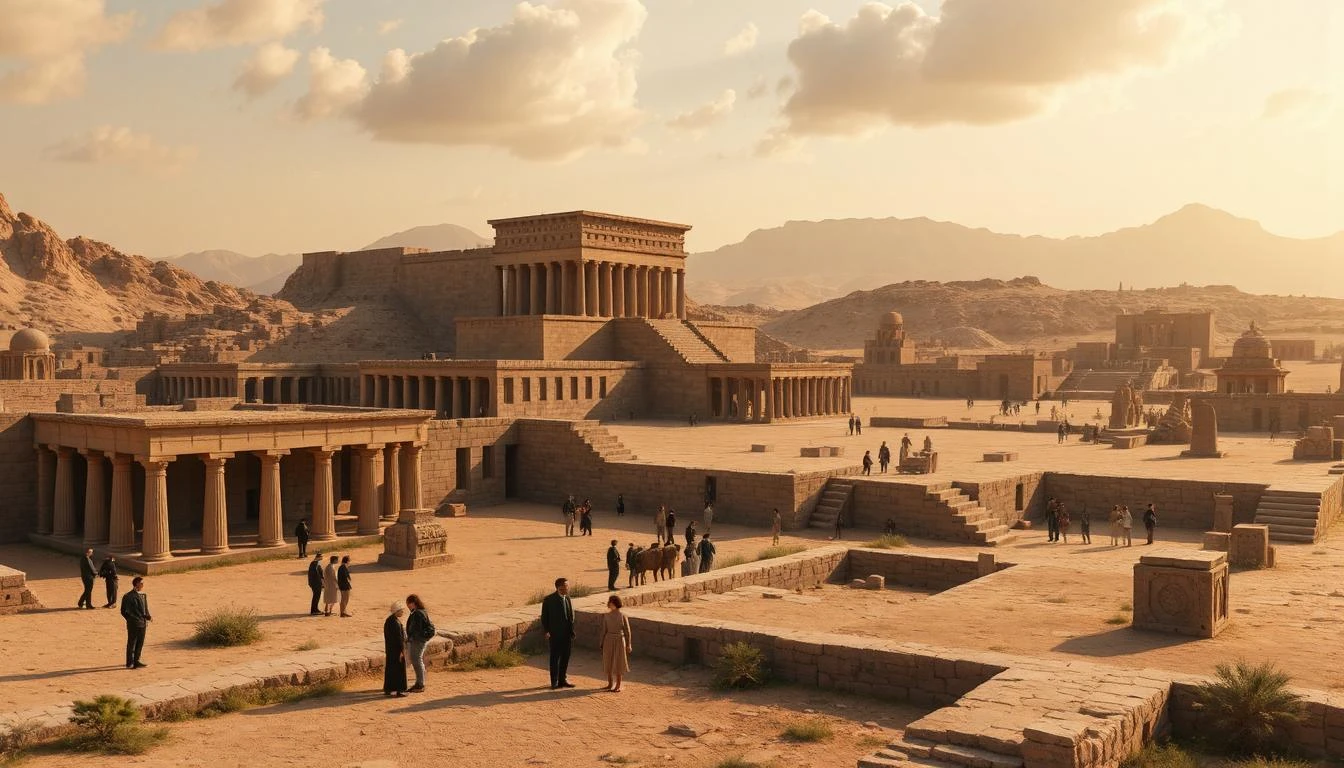
The story of humanity doesn’t begin in textbooks, it begins in stone, dust, and memory. Every culture that once rose and expanded still speaks softly through ruins, artifacts, and traditions that survived time’s relentless flow. When you start connecting these fragments, you begin to see how civilizations were never truly gone; they simply transformed into something we now live inside.
Look closer, and you’ll notice that modern life is built on layers of forgotten brilliance. Cities, systems, and even beliefs are echoes of earlier minds trying to solve the same human questions we still ask today. Beneath it all lies history heritage ancient civilizations, quietly shaping the rhythm of how we understand identity, progress, and meaning.
Exploring History And Heritage Of Civilizations
Ancient civilizations are not distant stories, they are active threads woven into today’s global identity. When you examine their rise and fall, you begin to understand patterns of survival, innovation, and cultural transformation that still guide modern societies in subtle ways.
historical sites cultural legacy world history is not just about monuments or ruins; it is about understanding how human decisions shaped entire worlds, leaving behind lessons encoded in architecture, language, and tradition.
Why historical knowledge remains important today
History is not memory alone, it is a navigation system. Without it, societies drift without direction. Understanding past economies, conflicts, and cultural shifts helps you interpret present-day challenges with greater clarity. As historian David McCullough once said, “History is who we are and why we are the way we are,” reminding us that identity is inseparable from the past.
When you reflect on world history, you start noticing repeating patterns, rise, expansion, adaptation, and transformation, that still define modern global dynamics.
The connection between heritage and human stories
Heritage is deeply human. It is not just preserved stone or archived documents; it is emotion made tangible. Every artifact represents someone’s hope, struggle, or belief system.
As cultural historian Maya Angelou once expressed, “You can’t really know where you’re going until you know where you have been,” reinforcing how heritage becomes a compass for collective direction.
Discovering lessons from ancient societies
Ancient societies were experimental laboratories of civilization. From governance structures to agricultural innovation, they tested ideas that still influence us today. Their successes and failures form a blueprint of human adaptation.
Looking at cultural legacy world history, you begin to see how ancient wisdom often mirrors modern problem-solving strategies, especially in sustainability and community organization.
Understanding Ancient Civilizations And Legacy
Ancient civilizations were not isolated wonders, they were interconnected networks of innovation, trade, and cultural exchange. Each one contributed to shaping the foundations of modern society in ways that are still unfolding today.
historical sites cultural legacy world history helps us decode how early human settlements evolved into complex systems that influence governance, economy, and culture today.
How civilizations shaped modern communities
Modern cities still reflect ancient design logic, organized trade routes, centralized governance, and structured communities. Civilizations like Mesopotamia and the Indus Valley laid the groundwork for urban planning that still inspires modern infrastructure.
Through the lens of world history, you can trace how early innovations evolved into today’s global systems of communication, law, and commerce.
The role of architecture art and traditions
Architecture is one of the loudest voices of ancient civilizations. From Egyptian pyramids to Greek temples, these structures reveal both engineering mastery and spiritual depth.
Art and traditions preserve identity across generations, acting as cultural DNA that survives political and environmental change. This is where history heritage ancient civilizations becomes visibly alive in every carved symbol and preserved ritual.
Exploring important historical discoveries
Archaeology continues to reshape what we know about the past. Each excavation uncovers new insights that challenge previous assumptions about early human development.
Discoveries such as lost cities and ancient manuscripts expand our understanding of cultural legacy world history, proving that history is still being written through interpretation and discovery.
Preserving History And Cultural Heritage
Preserving civilization’s legacy is not just about protection, it is about continuity. Without preservation, humanity risks losing the narrative threads that connect generations across time.
historical sites cultural legacy world history plays a crucial role in safeguarding identity, memory, and collective knowledge for future societies.
Why heritage protection matters for future generations
Heritage protection ensures that cultural identity remains visible and respected. It prevents historical erasure and promotes global understanding of shared human origins.
As UNESCO cultural advisor Francesco Bandarin once noted, “Heritage is not a luxury of the past, but a necessity for the future,” highlighting its role in sustainable cultural development.
The value of historical sites and artifacts
Historical sites are living classrooms. They allow people to experience history beyond books, creating emotional and intellectual connections to the past.
Artifacts, meanwhile, act as physical witnesses of human evolution. They carry the imprint of daily life, belief systems, and societal structures that define world history.
Keeping cultural memories alive through education
Education is the strongest bridge between past and future. By integrating history into learning systems, societies ensure that cultural memory remains active rather than forgotten.
Digital preservation, museums, and interactive storytelling all contribute to keeping history heritage ancient civilizations relevant in modern learning environments.
Learn From History And Heritage Stories
Every civilization leaves behind a narrative that extends beyond its existence. These stories are not just historical records, they are reflections of human ambition, creativity, and resilience.
world history becomes more meaningful when viewed as a continuous conversation between generations rather than isolated events.
The past speaks in patterns, and when you listen closely, it reveals how closely connected human progress truly is. As historian Arnold Toynbee once stated, “Civilizations die from suicide, not by murder,” reminding us that internal decisions often shape historical outcomes more than external forces.
This perspective makes cultural legacy world history not just a subject of study but a mirror reflecting modern choices and future possibilities.
As you move forward, history invites you to think differently, not just about what happened, but why it matters today. And maybe that’s the real purpose of understanding history heritage ancient civilizations: to recognize that the past is still unfolding through us.